











Product Categories
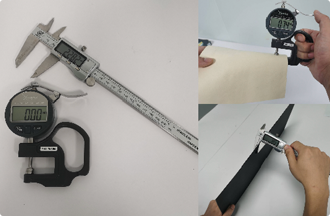
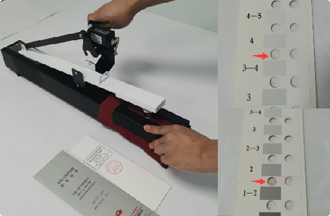
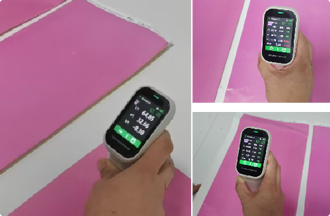
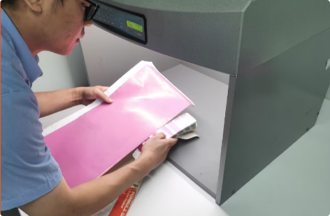
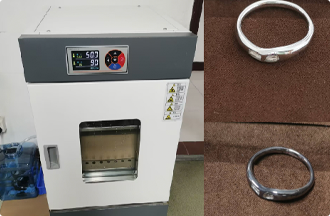
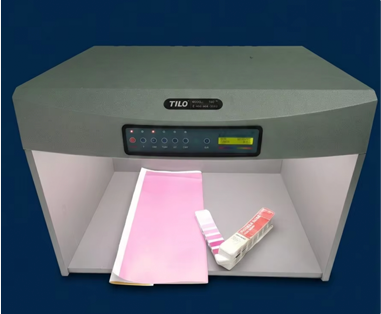
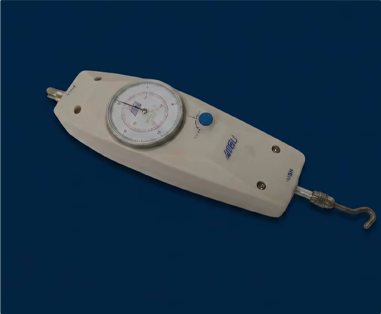
From raw materials to shipment, our rigorous end-to-end QC protects the quality and safety of every piece of packaging.

Cutting and sewing generate broken needles, tip fragments, and metal burrs that cling to fabric fibers, invisible to the naked eye.
Screws, springs, and metal debris fall into bags and boxes; wear particles from machinery mix into products.
Contaminants hide in velvet layers and bag folds, invisible to the eye. If they reach the market, they scratch K-gold and silver surfaces, trigger complaints and batch returns — and worse, can be swallowed or cause cuts, especially for children.
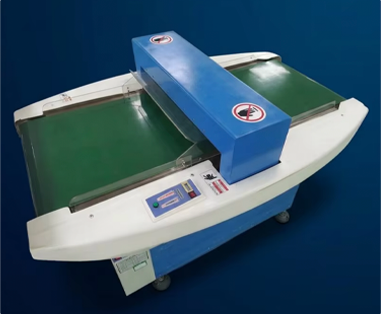
All finished goods undergo 100% needle detection before shipment. A full-process screening mechanism (man, machine, material, method, environment) blocks risk at the source, ensuring premium jewelry delivery and consumer safety — especially for children.
— Fragmented purchasing loses economies of scale and bargaining power, directly inflating material costs.
— Separate shipments from multiple suppliers stack logistics and warehousing costs, while cross-supplier management adds hidden overhead.
— Design files are revised repeatedly across suppliers — costly communication that stretches lead times.
— Unsynchronized progress means one delay affects all deliveries — risks are hard to control.
— Managing paper box, plastic box, and fabric bag suppliers separately creates long communication chains, low efficiency, and heavy manpower use.
— Each supplier’s process standards and QC systems differ, making it hard to keep brand visuals and product quality consistent.
Key impact: these pain points not only erode profits but can also, through delayed delivery
or inconsistent quality, directly damage brand image and competitiveness — a hidden barrier to business growth.

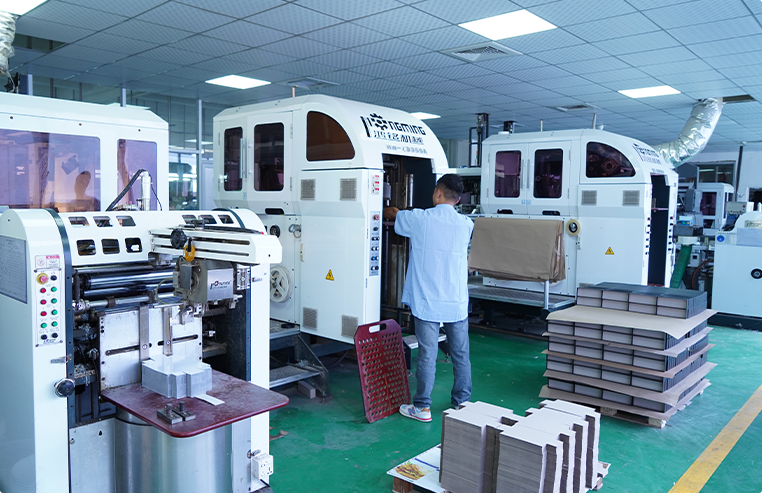
All packaging needs go into one purchasing plan. Scale orders go directly to source suppliers, cutting raw material unit costs.
Unified production, shipping, and distribution across categories significantly cut the logistics costs of fragmented transportation.
A dedicated one-to-one team replaces multi-vendor management — fewer cross-department communications, lower coordination and manpower costs.